Before I opine on this book, it is vitally important that everyone, Catholics and non-Catholics, understand some very basic and important facts about the priestly sex scandal. 1st) Contrary to general opinion, the scandal was not caused primarily by pedophilia but by ephebophilia, the attraction of adult men to juvenile males. 81% of the actual abuse cases involved ephebophilia. That’s right, 81%. 2nd) Of the actual substantiated cases of priestly sex abuse from 1950 to 1984, once the cases proven false were netted out, little more than 2% of priests were aberrant. This is not hearsay. These are the factual results of thorough, well-documented studies. I recommend you read this article. In fact, I insist. You really must know your facts in order to be able to charitably correct those who are misinformed.
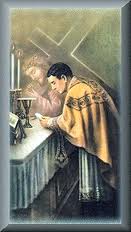
I had resolved to read Michael Rose’s book, Goodbye, Good Men, a few years ago but procrastinated. I actually procrastinated to the point of believing, by the time I started it, that it was possibly already obsolete or becoming so. The book is now 12 years old and came out during the height of hype of the Catholic priestly sex scandal. I was wrong about it being dated (it never will be), and though I wish I had read it years earlier, it assisted me greatly in understanding not only the source of the scandals, but also of the priest shortage, which to me was a very real problem but fraught with perplexity as to the why of it. I attended workshops and ministry training since my reversion around the year 2000, and nary a one neglected to mention this looming catastrophe. Funnily, it was never actually defined as a “problem”, and I don’t even recall hearing the word “shortage”. Usually the teacher would smile smugly, look knowingly at the participants, and condescendingly announce the coming changes, in the form of merging parishes and lay ministers running communion services. “It’s not a matter of if, but of when, and lay ministry will come to the forefront!” It seemed definitive that the Holy Mass would become a rare event. I knew the shortage was under way – I’d read the numbers – but I didn’t understand why. It seemed to me there was a connection with Vatican II, but nothing else.
The book elicited two primary emotional reactions: one of sadness and one of anger. I am saddened because Rose makes clear that the American Seminaries had been hijacked by administrations and faculties whose goal is to – pay close attention – change the Catholic Church by undermining Catholic doctrine. Yes. They hate the Catholic Church, and wish to destroy it and/or re-form it according their unnatural and immoral agenda. I am angered because this did and is still occurring (to a lesser extent I hope) under the neglectful, apathetic, and in some cases, approving rule of our bishops. Though the book ended on a note of hope, I was not left hopeful in general because I have personally observed, and sometimes been the victim of, the rotten fruit of this denigration in the archdiocese I came from; I know it is widespread, and I do not trust our bishops unless proven trustworthy. That is sad. I feel shortchanged because I had poor formation and catechesis like most of my generation, and now the Catholic Church in America has robbed me and my peers of plentiful well-formed priests. My comfort and confidence lie not in the bishops, but in the promise of Jesus that the gates of Hell will not prevail against His Church.
In a nutshell, Catholic Church-haters who have been running many of the seminaries have been riding an agenda of change, and drilling seminarians with it, that includes sexual license and deviancy, hostility toward an all-male priesthood, sacrilege of the Holy Eucharist, and well, you name it: if it’s Catholic, it’s a target. But this agenda is twofold. It covers positive indoctrination of seminarians of all these things indeed, but what is to be done of those men who are strong in their faith, strong in devotion, solid in doctrine, and firm in vocation? That would upset the agenda wouldn’t it? Hence such men – real men, good men – are turned away. Those that get in must get in line with the agenda or get kicked out. Only with exception have such men made it to ordination, and certainly not unscathed. This, my friends, is the source of the priest shortage. Creating a shortage is part of the agenda, too. You see, with a shortage the agenda now forcefully argues that celibacy is the problem, that priests must be allowed to marry. That women must be ordained. And so on. It is a satanic irony for them to claim that the reason for the priestly sex scandal is celibacy. How does marriage solve the problem of men sexually abusing boys?
My personal feelings of being shortchanged by the Church are nothing compared to the good men who have been generous to respond to God’s call to ordination, who desired to abdicate marriage and embrace celibacy for the glory of God and salvation of souls, who were (and are) thwarted, rejected, hated, and injured by the “elitists” who run the seminaries. Not to mention the untold numbers of souls who’ve been robbed and have possibly perished in the wake of this catastrophic loss.
Don’t take my word for what is in the book, for I have only hinted at the complexity of the root cause. You need to read this book. You need to understand the scope. You need the ugly and ungodly truth. You need to know what the dissenters are saying. You need to pray and fast and make sacrifices for the restoration of the Church. This book will help you understand the depth of the problem and the direness of reparation and imploring God to stop the destruction and call those good men back. Don’t be disheartened and don’t be discouraged. God is in control, and His plan is good. In fact, it’s fabulous! That is why we will pray and hope and be of good cheer! We are on the winning side.

 Tip O' Texas Catholic